By Stephen Williams
Jacksonville Beach's oldest homes carry real architectural history, tracing back to the railroad-era cottages of old Pablo Beach and the Florida Cracker building traditions that shaped early coastal living. Interior design for these homes works best when it respects that heritage rather than fighting it. Here's how to approach historic home interior design in Jacksonville Beach with both character and comfort in mind.
Key Takeaways
- Jacksonville Beach's architectural roots trace back to Pablo Beach's railroad-era cottages, including the 1900 Foreman's House built in the era's signature "Flagler yellow."
- Florida Cracker architecture, exemplified locally by the 1873 Oesterreicher-McCormick Cabin, emphasized deep porches, raised foundations, and natural cross-ventilation long before air conditioning existed.
- By 1931, the Neptune Beach area alone had grown to roughly 70 summer cottages, establishing the relaxed, unpretentious beach cottage style still associated with the area today.
- Salt air and humidity affect wood, fabric, and finishes differently here than inland, making material choice a genuine design consideration, not just an aesthetic one.
Understanding the Architectural Roots of Jacksonville Beach's Historic Homes
Before choosing paint colors or furniture, it helps to understand what actually shaped these homes in the first place. Jacksonville Beach's history as a railroad resort town left a distinct architectural fingerprint still visible today.
What Actually Defines This Local Heritage
- The Florida East Coast Railway built worker housing like the 1900 Foreman's House in a simple, 1½-story wood frame style, painted in the railway's signature "Flagler yellow"
- Florida Cracker architecture, the region's earliest building tradition, is preserved locally in the 1873 Oesterreicher-McCormick Cabin, now housed at the Beaches Museum
- The Neptune Beach area grew from a handful of cottages in the early 1920s to roughly 70 summer residences by 1931, largely built as seasonal retreats for Jacksonville families
- These early homes prioritized function over formality, built for salt air, heat, and a relaxed coastal lifestyle rather than year-round urban living
Recognizing which architectural tradition your specific home draws from helps ground your design choices in something more authentic than a generic "coastal" theme.
Honoring Florida Cracker Character: Porches, Cross-Ventilation, and Wood
Long before central air conditioning, Florida Cracker builders solved the heat and humidity problem through smart design rather than mechanical systems. Interior decisions that respect this logic tend to feel more authentic than ones that ignore it entirely.
How to Design With This Heritage in Mind
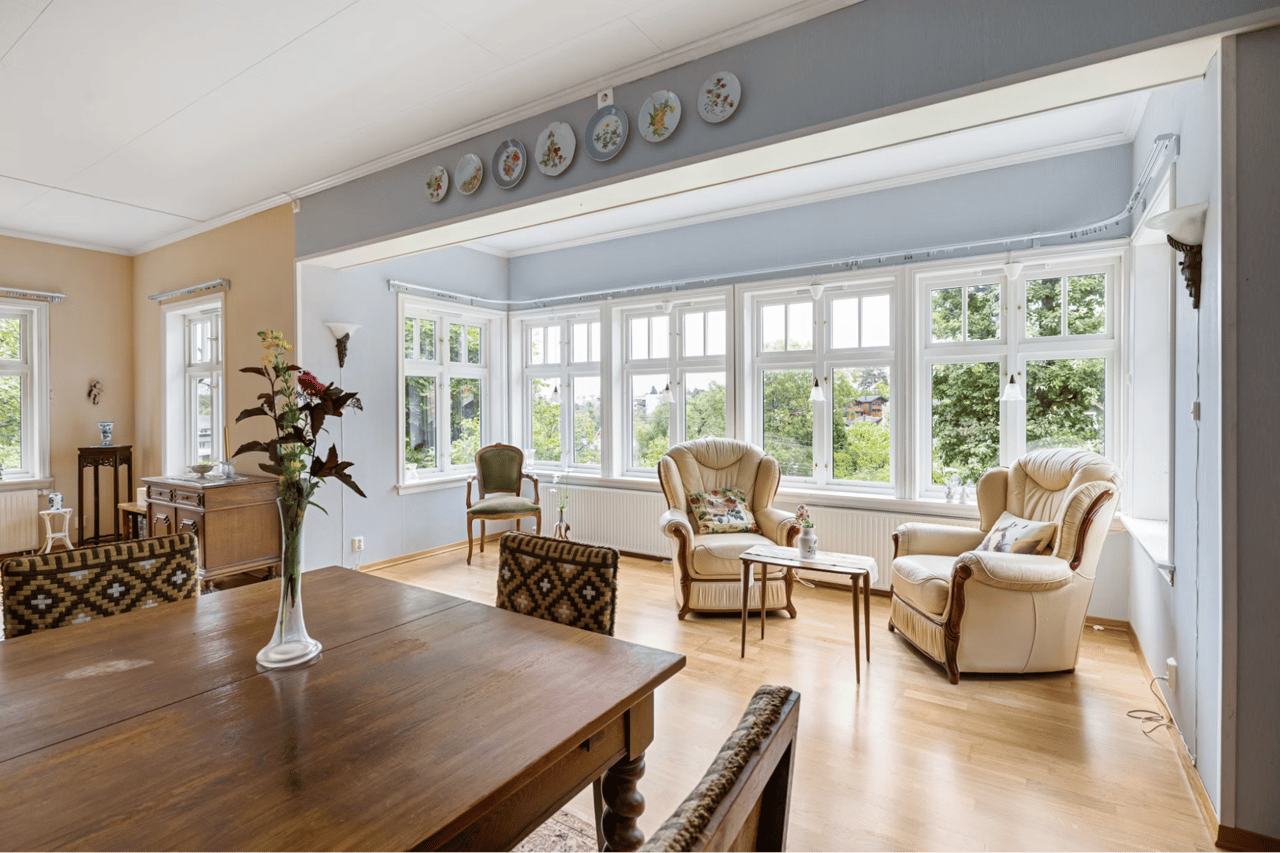
- Keep porches genuinely usable as living space, with furniture and decor that invites sitting outside rather than treating the porch as pure curb appeal
- Preserve or restore original wood flooring where possible, since this material was chosen specifically for durability in Florida's climate, not just aesthetics
- Arrange furniture to support natural airflow through the home, keeping large pieces away from windows and doorways designed for cross-ventilation
- Choose lightweight, breathable window treatments over heavy drapery, which can trap humidity and block the natural cooling these homes were built around
Working with the home's original design intent, rather than against it, often produces a more comfortable and more authentic result than a full modern overhaul.
Choosing a Historically-Grounded Color Palette
Color choices can either reinforce a home's history or work against it entirely. Jacksonville Beach's own architectural past offers real inspiration for palettes that feel grounded rather than arbitrary.
Where to Draw Real Historical Inspiration
- "Flagler yellow," the signature color used on Florida East Coast Railway structures like the Foreman's House, offers a historically accurate option for exterior trim or an accent wall
- Soft, weathered whites and blues echo the simple, unpretentious beach cottage aesthetic that defined the Neptune Beach summer cottages of the 1920s and 1930s
- Avoid overly saturated or high-gloss modern finishes that clash with the softer, sun-faded character these homes naturally develop over decades
- Let original wood tones, whether in flooring, trim, or exposed beams, anchor the palette rather than painting over character-rich materials
A palette rooted in the area's actual history tends to age better and photograph more authentically than trends borrowed from unrelated coastal markets.
Practical Considerations for Decorating an Older Coastal Home
Beyond aesthetics, a few practical realities specific to older coastal homes deserve real attention. Salt air and humidity affect materials here in ways that inland design advice simply doesn't account for.
What to Watch For as You Decorate
- Wood furniture and cabinetry benefit from finishes specifically suited to humidity swings, since untreated or poorly sealed wood can warp or crack over time
- Natural fiber rugs and breathable fabrics generally hold up better in salt air than synthetic materials prone to trapping moisture
- Original beadboard, wainscoting, or trim work is often worth preserving and refinishing rather than replacing, since these details are difficult to replicate authentically
- Balancing historic character with modern comfort, updated wiring, efficient cooling, and modern plumbing, often adds more long-term value than decor choices alone
Treating these practical updates as part of the design process, not separate from it, protects both the home's character and its long-term livability.
Frequently Asked Questions
What architectural style are most historic homes in Jacksonville Beach based on?
Many trace back to railroad-era cottages and Florida Cracker building traditions, both designed around natural ventilation and durability in a coastal climate.
Is "Flagler yellow" still a good color choice for a historic home here?
It can be, especially for trim or accents, since it directly references the Florida East Coast Railway's original color scheme used throughout the area's early buildings.
Do older coastal homes need different materials than newer construction?
Often yes. Salt air and humidity affect wood, fabric, and finishes more aggressively here, making material choice a genuine practical consideration alongside aesthetics.
Work With Someone Who Understands Jacksonville Beach's Historic Character
A native of Jacksonville, I bring more than 40 years of experience helping hundreds of clients buy and sell homes throughout Northeast Florida. As former president and owner of Edgewater Companies Inc., and now a Broker Associate with eXP and the Edgewater Home Team, I've overseen the marketing and sales of thousands of residential, commercial, and land listings across this region, including the permitting and construction of many single-family homes. I've also served as chairman of the Sales and Marketing Council for the Northeast Florida Builders Association. If a historic Jacksonville Beach home has you thinking about your next move, I would love to help.